William van Hoorn
Available works

Noon
£325

Swoon
£270

Attract
£325

Into Centre
£350
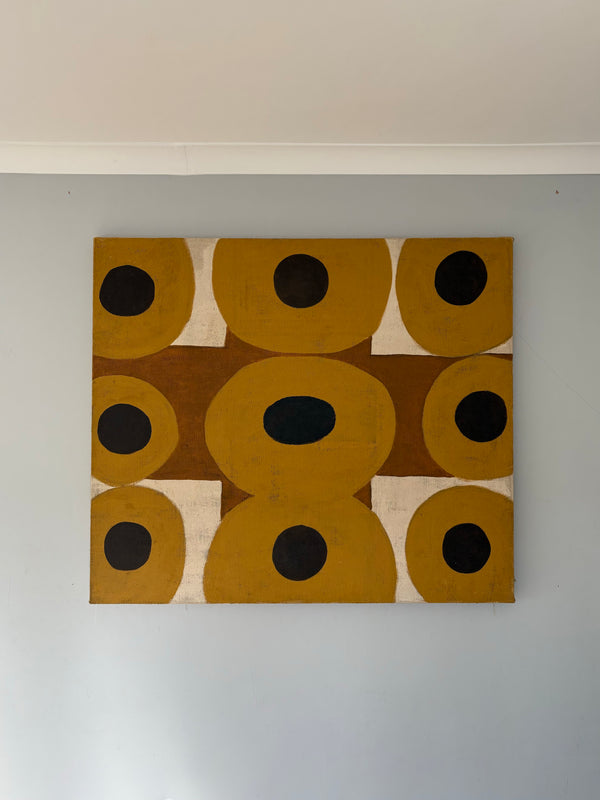
Spotted
£3,900
£2,800
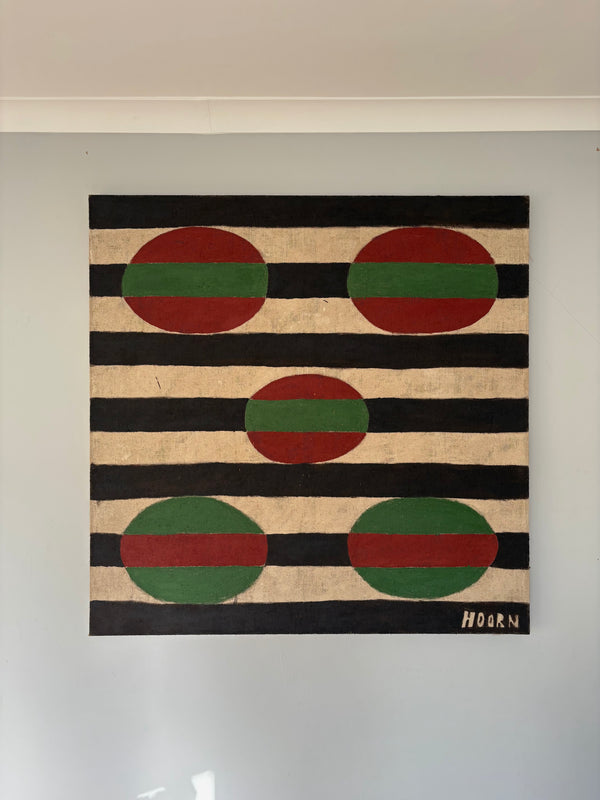
End to End
£3,900
£2,800
BIOGRAPHY

William van Hoorn (b. 2000, London) is a British–Spanish abstract painter whose practice investigates notions of purity, conscience, and perception through a sustained engagement with the natural world. Nature functions not merely as subject matter, but as a pedagogical and metaphysical framework through which questions of balance, beauty, and relationality are explored.
His work considers the underlying structures and rhythms that govern natural phenomena, seeking to translate these intangible forces into abstract visual form. Informed by the formal sensibilities of early- and mid-twentieth-century art and design, van Hoorn employs a design-led approach that balances intuition with order, allowing compositions to emerge through a process of observation, reflection, and response.
Central to his practice is an understanding of the canvas as a site of negotiation. Oil paint enables a slower, more contemplative mode of working, in which forms reveal themselves through prolonged attention and the gradual interplay of colour, shape, and space. Rather than privileging a singular focal point, van Hoorn seeks to establish a dynamic equilibrium in which each element retains its own presence while contributing to the coherence of the whole.
The resulting compositions draw upon the logic of ecological systems, where coexistence is shaped through reciprocity, adaptation, and interdependence. Like organisms competing for light within a shared environment, forms assert themselves while remaining subject to the demands of the wider field. Through this process, van Hoorn's paintings become meditations on the relationship between perception and consciousness, proposing abstraction as a means of approaching the unseen orders that connect human experience to the natural world.
ARCHIVE

Untitled
SOLD

Circle Studies
SOLD

Portrait of a Man
SOLD

Sunset Composition
SOLD
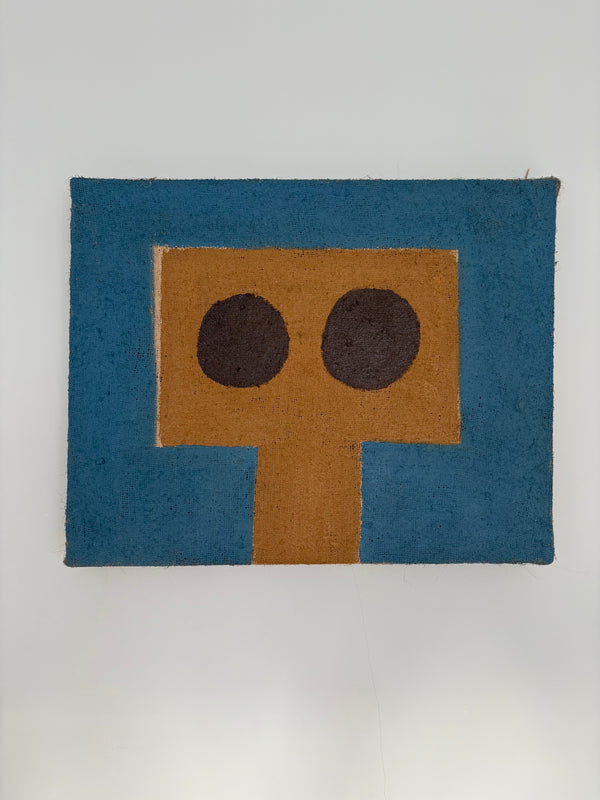
Sign
SOLD
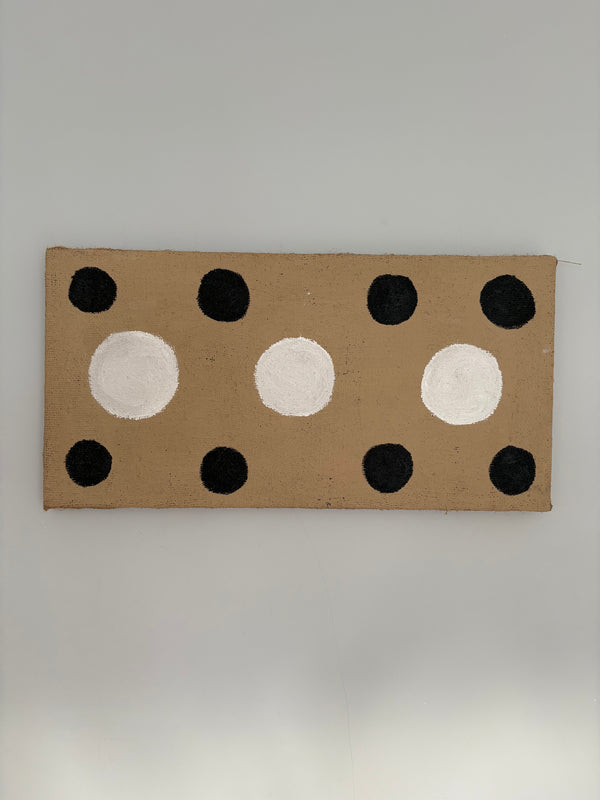
Domino
SOLD
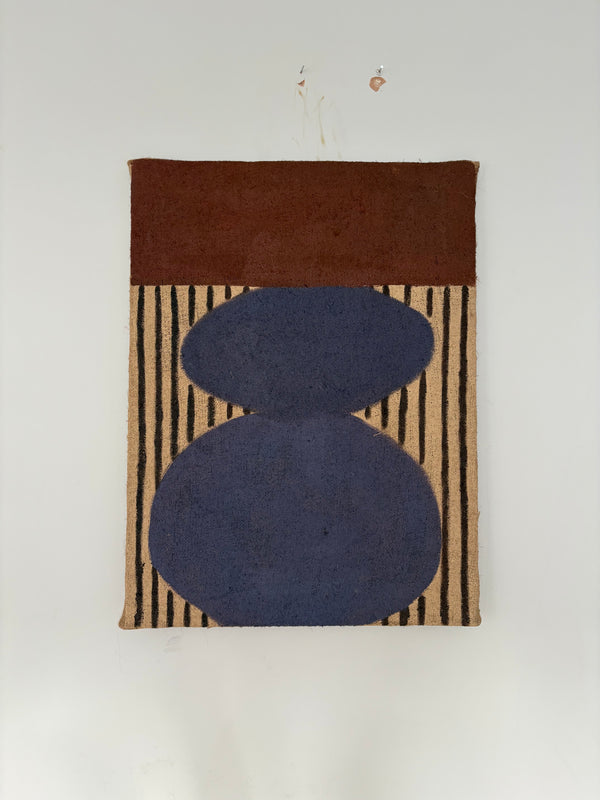
Untitled
SOLD
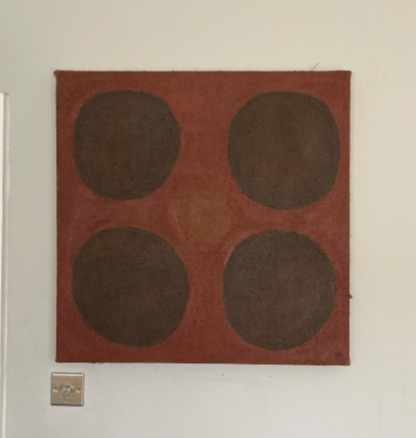
Dice
SOLD